




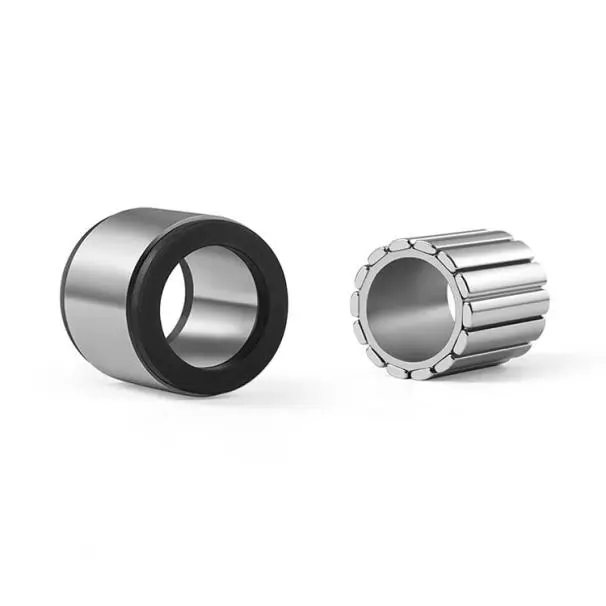
High-strength permanent magnets, such as neodymium iron boron (NdFeB) and samarium cobalt (SmCo), stand out in industrial applications with their core advantages of high magnetic energy, small size, and strong stability. These superior properties significantly enhance equipment performance and operational efficiency, with specific advantages detailed as follows:
1. High Magnetic Force with Compact Size
High magnetic energy per unit volume: The magnetic energy product of high-strength magnets is more than 10 times that of ordinary magnets (e.g., NdFeB reaches 400-500 kJ/m³), enabling them to deliver equal or stronger magnetic force in a smaller size.
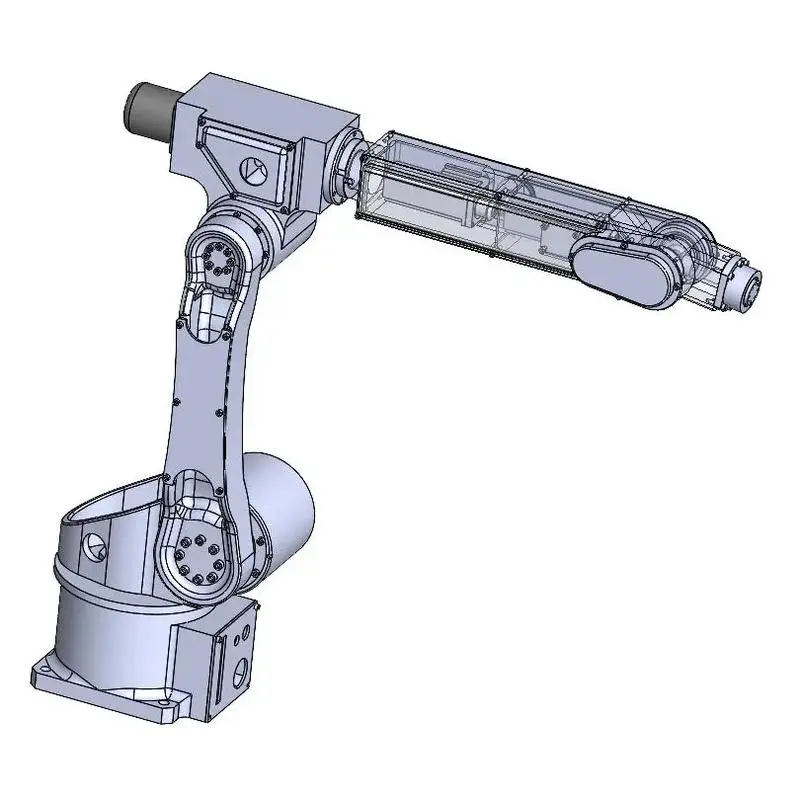
Application Scenarios: Ideal for scenarios requiring compact design, such as joint motors of industrial robots and drive motors of new energy vehicles. High-strength magnets can reduce equipment volume and weight effectively.
2. Energy Efficiency & Reduced Losses
Lower energy consumption: High-strength magnetic motors (e.g., permanent magnet synchronous motors) do not require additional current for excitation, boasting an efficiency 5%-15% higher than traditional asynchronous motors and thus cutting energy losses.
Application Scenarios: Suitable for long-term operating equipment like wind turbines and CNC machine tools, where high-strength magnets can significantly reduce electricity costs.
3. Strong Demagnetization Resistance & High Stability
High coercivity: High-strength magnets (e.g., NdFeB with coercivity > 2000 kA/m) are not easily demagnetized by reverse magnetic fields, vibration, or temperature fluctuations, with a service life of decades.
Application Scenarios: Applied in equipment requiring long-term stable operation, such as mine magnetic separators and elevator safety gears, reducing maintenance frequency.
4. Precise Control & Enhanced Performance
Fast response speed: Servo systems driven by high-strength magnets can achieve microsecond-level response, meeting the requirements of high-precision processing (e.g., semiconductor manufacturing equipment).
High torque density: Industrial robot joints equipped with high-strength magnetic motors see a torque output increase of more than 30%, enabling more flexible movements.
5. Resistance to Extreme Environments
High/low temperature resistance: Samarium cobalt magnets can operate within a temperature range of -253℃ to 350℃, making them suitable for extreme environments such as aerospace and deep-sea exploration.
Corrosion resistance: Some high-strength magnets (e.g., SmCo) have inherent oxidation resistance and can be used in humid environments for a long time without coating.
6. Reduced Overall Costs
Long-term cost savings: Although the unit price of high-strength magnets is higher, their high energy efficiency, long service life, and low maintenance needs result in a lower total lifecycle cost compared to ordinary magnets.
Application Case: The wind power industry adopts high-strength magnetic direct-drive generators. Despite the higher initial investment, the 20-year operating cost can be reduced by 20%-30%.


